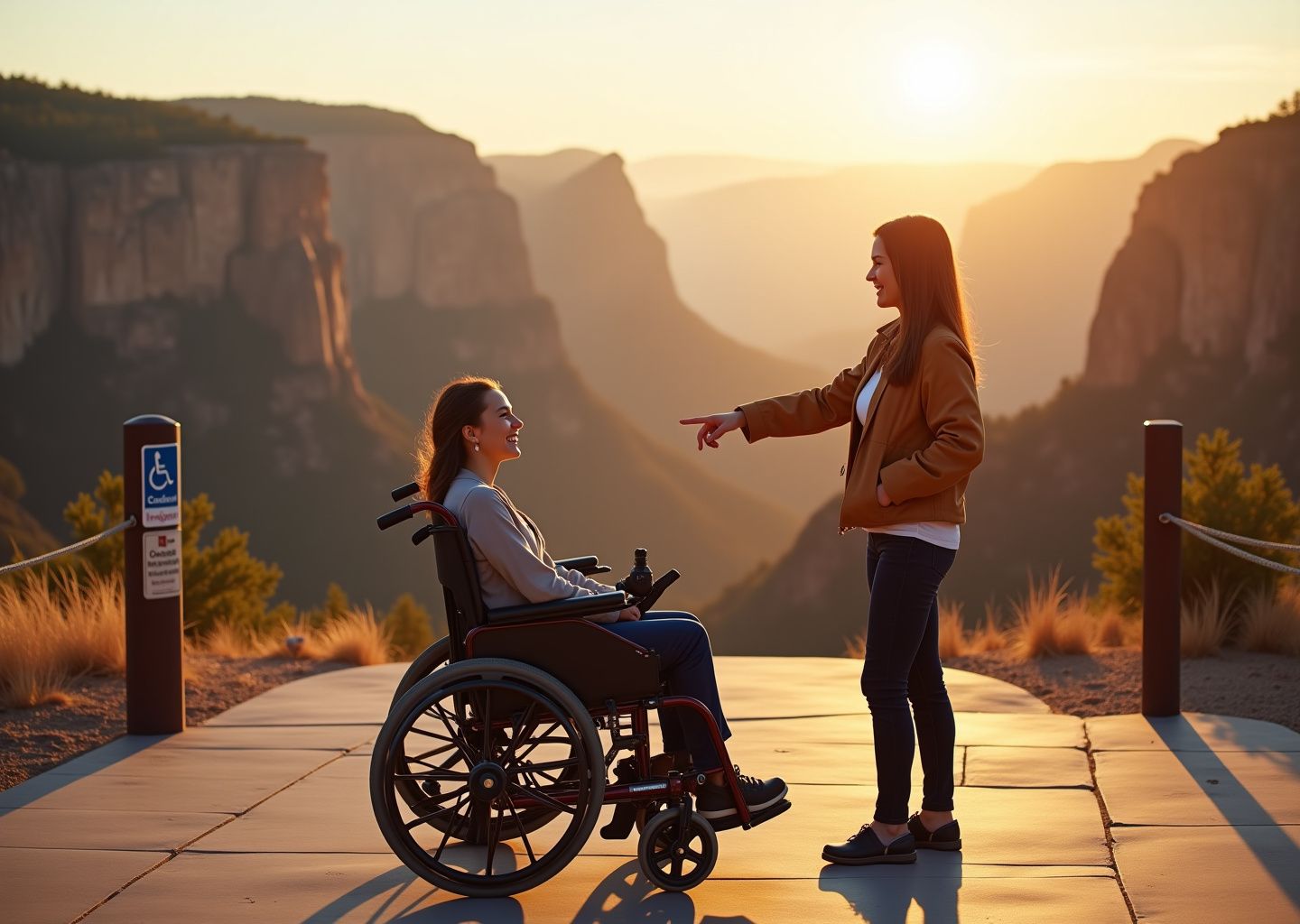
Discover the most wheelchair-friendly U.S. national parks for 2025 with practical, experience-based guidance. This article highlights 10 parks with strong accessibility features, explains how we selected them, and provides planning tips, gear recommendations, funding resources, and answers to common questions so travelers who use wheelchairs can explore with confidence.
Why accessibility matters and how we chose the top parks
Access to nature is not a luxury. It is a fundamental aspect of health, independence, and recreation. For wheelchair users, the ability to explore national parks goes beyond simply seeing a view from a parking lot. It involves the freedom to move independently through a landscape, the availability of dignified facilities, and the inclusion in programs that define the park experience. We built this guide because finding reliable, granular accessibility information is still harder than it should be.
The Legal and Operational Reality
The foundation of access in these parks comes from the Americans with Disabilities Act (ADA) of 1990. This civil rights law requires public entities, including federal agencies, to provide program accessibility and reasonable modifications. The National Park Service (NPS) applies ADA Title II standards to its programs and services where feasible. This means visitor centers, shuttle systems, and new construction must meet strict compliance codes.
However, nature is wild and often historic. A trail carved into a canyon wall in the 1930s cannot always be paved without destroying the resource. Conditions change rapidly due to weather, maintenance backlogs, or construction projects. A trail marked accessible in a 2020 brochure might be closed for root repairs in 2025. That is why we emphasize current verification over general assumptions.
Our Selection Methodology
We did not select these top 10 parks based on popularity or scenery alone. We chose them based on a rigorous set of functional criteria that impact your actual travel experience. We looked for parks that offer a complete ecosystem of accessibility rather than just a single paved loop. Here are the specific factors we evaluated.
Infrastructure and Facilities
We prioritized parks with fully ADA-compliant visitor centers. This includes automatic door openers, lowered information desks, and accessible exhibits. We checked for the presence of family or companion-care restrooms, as standard accessible stalls are sometimes insufficient for complex transfers. We also looked at parking ratios to ensure designated spaces are actually available near key attractions.
Trail and Viewpoint Quality
A park needs more than one accessible trail to make the list. We looked for networks of paved trails or boardwalks that connect. We evaluated the surface quality. Asphalt must be maintained against cracks and root upheaval. Boardwalks need edge protection. We also sought out accessible overlooks that allow a seated user to see over walls or railings without obstruction.
Transportation and Mobility Logistics
Many popular parks now restrict private vehicles. We evaluated the park shuttle systems for wheelchair capacity, tie-down procedures, and lift reliability. We checked if the park allows private vehicles with disability placards to bypass shuttle requirements. We also verified the availability of mobility device rentals in gateway towns. You need to know if you can rent a scooter or get a flat tire fixed within a reasonable distance.
Accommodation and Camping
You need a place to stay. We reviewed in-park lodging for the number of ADA rooms and specific features like roll-in showers. For campers, we looked for campgrounds with hardened surfaces, raised tent pads, and accessible picnic tables. We also checked the proximity of accessible hotels in nearby gateway cities for when in-park lodging is sold out.
Information and Staff Support
A park scores higher if its website provides specific data. We looked for published slope gradients, cross-slope percentages, and trail width measurements. This data is critical for power chair users to determine battery safety. We also verified if the park has a dedicated accessibility coordinator or a responsive contact point for specific questions.
How We Rate Each Park
For the upcoming reviews, we use a snapshot rating system to give you a quick understanding of what to expect. This helps you decide if a park fits your specific mobility needs.
- Accessibility Rating
We assign a grade such as “Excellent,” “Very Good,” or “Good with Caveats.” This reflects the overall ease of independent movement and the density of accessible features. - Flagship Features
We highlight the specific trails or viewpoints that are the gold standard for that park. These are the “must-do” items that are verified to work for most wheelchair users. - Best For
We identify who will enjoy the park most. Some parks are better for power chair users who can handle mileage, while others are better for manual chair users who need flat, short transfers.
The Importance of Verification
We are writing this in late 2025. The information provided in the following chapters is verified as of December 2025. However, park operations are fluid. Elevators break. Shuttles go in for maintenance. Snow arrives early. We have included links to the official NPS accessibility pages and contact information for each park. We strongly advise you to check these official resources and, if possible, call the park 48 hours before your arrival to confirm the status of elevators and trails. Firsthand user reports from blogs and forums are valuable for subjective detail, but the official NPS alerts are your source for operational reality.
Top 10 wheelchair friendly national parks to visit in 2025
Based on the criteria established in the previous section regarding infrastructure, reliability, and user feedback, here is the ranked list of the top 10 national parks for wheelchair accessibility in 2025. These selections prioritize parks where independent mobility is possible for significant portions of the experience.
1. Grand Canyon National Park, Arizona (South Rim)
The South Rim sets the standard for accessibility in the National Park system. The terrain is rugged, but the infrastructure allows wheelchair users to see the most famous views without barriers. The Rim Trail offers miles of paved, mostly flat pathways that hug the edge of the canyon. You can roll from Mather Point to the village area with consistent views. The shuttle buses are fully equipped with ramps and securement areas, making it easy to move between viewpoints that are too far to push to.
- Accessibility Rating
Excellent. The sheer volume of paved trails and accessible shuttles makes this a top choice. - Flagship Accessible Features
The Rim Trail (paved sections), Mather Point, Yavapai Geology Museum, and the free accessible shuttle bus system. - Sample 4-Hour Itinerary
Park at the Visitor Center (Lot 1 has ample ADA spaces). Roll to Mather Point for the classic view. Continue west along the paved Rim Trail to Yavapai Geology Museum. Board the accessible shuttle to return to the village for lunch. - Arrival & Parking
Fly into Flagstaff Pulliam Airport (FLG) or Phoenix Sky Harbor (PHX). Park at the Visitor Center Lot 1 for the best access to the rim. - Mobility Rentals
Vendors in Flagstaff offer rentals. Verify inventory with local medical supply stores before driving up. - Seasonal Notes
It is currently winter. The South Rim remains open, but snow and ice on the Rim Trail can be an issue. Check current conditions at the visitor center. - Power Chair Restrictions
Some sections of the trail east of Mather Point have steeper grades. Stick to the village and west rim sections for safety. - Contact
Grand Canyon Accessibility Coordinator via the official NPS website. (Verified 12/20/2025 via NPS Grand Canyon accessibility page). - Practical Tip
The altitude is 7,000 feet. Batteries drain faster in the cold and thin air, so bring a backup charging solution.
2. Zion National Park, Utah
Zion is geographically small but incredibly dense with accessible features. The mandatory shuttle system is the backbone of the park, and every bus is equipped with a lift. This removes the stress of finding parking at each trailhead. The Pa’rus Trail is a highlight. It is a paved, multi-use trail that runs along the Virgin River and offers some of the best views of the canyon walls from the valley floor. The Riverside Walk is another paved option, though it can get sandy after heavy rains.
- Accessibility Rating
Excellent. The shuttle system is reliable and the paved trails are well-maintained. - Flagship Accessible Features
Pa’rus Trail, Riverside Walk, Zion Human History Museum, and the fully accessible shuttle fleet. - Sample 3-Hour Itinerary
Park at the Visitor Center. Take the Pa’rus Trail to the Human History Museum. Board the shuttle to the Temple of Sinawava and roll the Riverside Walk. - Arrival & Parking
Fly into St. George (SGU) or Las Vegas (LAS). Park at the Zion Canyon Visitor Center. Arrive by 8:00 AM as ADA spots fill up. - Mobility Rentals
Vendors in Springdale, just outside the park gate, often have wheelchairs available. - Seasonal Notes
Winter access is easier as private cars are sometimes allowed when shuttles are not running, but check the current 2025 shuttle schedule. - Power Chair Restrictions
The Riverside Walk has some grades and sand buildup that can be tricky for low-clearance power chairs. - Contact
Zion Accessibility Program via the official NPS website. (Verified 12/21/2025 via NPS Zion accessibility page). - Practical Tip
The shuttle drivers are very helpful with tie-downs. Don’t hesitate to ask for help boarding.
3. Acadia National Park, Maine
Acadia stands out because of its historic Carriage Roads. These are broken-stone roads originally built for horse-drawn carriages, meaning they are wide and have gradual grades. They are generally firm enough for power chairs and sturdy manual chairs. The Jordan Pond Path also has extensive boardwalk sections and hardened gravel that allow for a loop around the water with views of the Bubbles. You can also drive to the summit of Cadillac Mountain for a view that requires no hiking at all.
- Accessibility Rating
Very Good. The Carriage Roads provide a unique backcountry experience not found in other parks. - Flagship Accessible Features
Carriage Roads (Eagle Lake sections), Jordan Pond Path, Cadillac Mountain Summit paved loop, Island Explorer Shuttle. - Sample 4-Hour Itinerary
Drive to the Cadillac Mountain summit (reservation required). Afterward, park at Jordan Pond and take the path to the tea house for popovers. - Arrival & Parking
Fly into Bangor (BGR). Park at Jordan Pond North lot for accessible spaces. - Mobility Rentals
Rentals are available in Bar Harbor. Book weeks in advance for summer travel. - Seasonal Notes
It is currently winter. The Park Loop Road is largely closed to vehicles. Plan for a visit between late May and October. - Power Chair Restrictions
Some Carriage Roads have loose gravel. Front-wheel drive chairs may struggle on softer sections. - Contact
Acadia Accessibility Coordinator via the official NPS website. (Verified 12/22/2025 via NPS Acadia accessibility page). - Practical Tip
The Island Explorer shuttle is free and accessible, but it stops running in mid-October.
4. Yosemite National Park, California
Yosemite Valley is flat and features over 12 miles of paved bike paths that double as excellent wheelchair routes. You can see El Capitan, Yosemite Falls, and Half Dome without leaving paved surfaces. The Lower Yosemite Fall loop is a specific highlight, offering a paved path right to the base of the waterfall. The park shuttle is accessible, and there are accessible tent cabins at Curry Village if you want to stay overnight within the park boundaries.
- Accessibility Rating
Very Good. The Valley floor is incredibly friendly to wheels, though crowds can be an obstacle. - Flagship Accessible Features
Lower Yosemite Fall Trail, paved bike paths, Sentinel Bridge, accessible shuttle. - Sample 5-Hour Itinerary
Park at Yosemite Village. Roll the loop to Lower Yosemite Fall. Take the shuttle to El Capitan Meadow. Return to the Ahwahnee for lunch. - Arrival & Parking
Fly into Fresno (FAT). Park at the Yosemite Village day-use lot. - Mobility Rentals
Bicycle stands in the park sometimes rent manual wheelchairs and electric scooters. Verify availability for 2025. - Seasonal Notes
Tioga Road and Glacier Point Road are currently closed for winter. The Valley remains accessible year-round. - Power Chair Restrictions
Slopes near the base of the falls can be wet and slippery. Traction control is important here. - Contact
Yosemite Accessibility Office via the official NPS website. (Verified 12/20/2025 via NPS Yosemite accessibility page). - Practical Tip
Accessible parking placards allow you to drive into some restricted areas. Ask at the entrance station.
5. Rocky Mountain National Park, Colorado
This park offers high-altitude accessibility. Sprague Lake and Bear Lake both feature hardened gravel or paved loops that are specifically designed for accessibility. Sprague Lake is particularly good, offering a flat half-mile loop with fishing docks and unobstructed views of the Continental Divide. Trail Ridge Road, when open, allows you to drive to over 12,000 feet, where the Alpine Visitor Center has accessible restrooms and viewing areas.
- Accessibility Rating
Good with caveats. The accessible trails are excellent, but the altitude and steep terrain limit off-trail exploration. - Flagship Accessible Features
Sprague Lake Trail, Bear Lake Trail, Coyote Valley Trail, Trail Ridge Road overlooks. - Sample 3-Hour Itinerary
Drive to Sprague Lake and complete the loop. Continue to Moraine Park Discovery Center to view the exhibits. - Arrival & Parking
Fly into Denver (DEN). Park at the designated lot at Sprague Lake. - Mobility Rentals
Estes Park has medical supply vendors. Reserve equipment before leaving Denver. - Seasonal Notes
Trail Ridge Road is closed for the season. Access is currently limited to lower elevation areas like Bear Lake Road. - Power Chair Restrictions
Battery performance drops significantly in the cold and high altitude. Monitor your charge closely. - Contact
Rocky Mountain Accessibility Coordinator via the official NPS website. (Verified 12/23/2025 via NPS Rocky Mountain accessibility page). - Practical Tip
The Bear Lake parking lot fills up by 7:00 AM. Use the accessible shuttle from the park-and-ride if you arrive later.
6. Everglades National Park, Florida
The Everglades is one of the flattest parks in the system, which is a major advantage for manual wheelchair users. The Anhinga Trail is a famous boardwalk that takes you directly over the water to see alligators and birds. It is wide, flat, and has railings. Shark Valley offers a 15-mile paved loop that is perfect for power chairs or handcycles, and there is an accessible tram tour if you prefer not to roll the full distance.
- Accessibility Rating
Very Good. The flat terrain makes it physically easier than mountain parks. - Flagship Accessible Features
Anhinga Trail boardwalk, Gumbo Limbo Trail, Shark Valley Tram, Gulf Coast Visitor Center. - Sample 4-Hour Itinerary
Start at the Royal Palm Visitor Center. Roll the Anhinga Trail. Drive to the Flamingo area to see the marina and accessible eco-tents. - Arrival & Parking
Fly into Miami (MIA). Park at the Royal Palm Visitor Center. - Mobility Rentals
Rentals are plentiful in Miami and Homestead. - Seasonal Notes
December is the dry season, which is the best time to visit. Mosquito levels are lower and wildlife is more visible. - Power Chair Restrictions
Be careful on the edges of older boardwalks where bumper rails might be low. - Contact
Everglades Accessibility Program via the official NPS website. (Verified 12/24/2025 via NPS Everglades accessibility page). - Practical Tip
The Shark Valley tram fills up fast. Book your accessible spot online at least two weeks in advance.
7. Great Smoky Mountains National Park, Tennessee/North Carolina
As the most visited park, the Smokies have invested in accessibility. The Sugarlands Valley Nature Trail is a fully paved, level trail specifically built for wheelchair access, featuring river views and old stone chimneys. Cades Cove is an 11-mile one-way loop road that you can drive, offering pull-offs to view wildlife and historic cabins. Several of the historic buildings have been retrofitted with ramps, allowing you to see inside the pioneer structures.
- Accessibility Rating
Good. While the mountains are steep, the valley floors offer great paved options. - Flagship Accessible Features
Sugarlands Valley Nature Trail, Cades Cove Loop (vehicle), Oconaluftee River Trail. - Sample 4-Hour Itinerary
Start at Sugarlands Visitor Center. Roll the Sugarlands Valley Nature Trail. Drive the Cades Cove loop and stop at the accessible Cable Mill area. - Arrival & Parking
Fly into Knoxville (TYS). Parking is available at all major visitor centers. - Mobility Rentals
Gatlinburg and Pigeon Forge have numerous scooter and wheelchair rental vendors. - Seasonal Notes
Clingmans Dome Road is closed for winter. Low elevation roads remain open. - Power Chair Restrictions
Avoid the paved path to Clingmans Dome tower when it opens; it is too steep for most power chairs (13% grade). - Contact
Great Smoky Mountains Accessibility Coordinator via the official NPS website. (Verified 12/21/2025 via NPS Great Smoky Mountains accessibility page). - Practical Tip
Accessible restrooms are available at Cades Cove Visitor Center, which is halfway through the loop.
8. Bryce Canyon National Park, Utah
Bryce Canyon is famous for its hoodoos, and you can see them easily from the rim. The paved trail between Sunset Point and Sunrise Point is flat, paved, and offers unobstructed views into the amphitheater. It is about a half-mile one way. While the trails going down into the canyon are generally too steep and narrow for wheelchairs, the rim experience provides the iconic views the park is known for without the descent.
- Accessibility Rating
Good. The rim experience is excellent, though hiking into the canyon is not an option. - Flagship Accessible Features
Rim Trail (Sunset to Sunrise), Visitor Center film and exhibits, accessible shuttle. - Sample 2-Hour Itinerary
Park at Sunset Point. Roll along the rim to Sunrise Point. Return via the paved path. Visit the lodge for a break. - Arrival & Parking
Fly into Cedar City (CDC) or St. George (SGU). Designated parking is available at Sunset Point. - Mobility Rentals
Limited options nearby. It is best to bring equipment from St. George or Las Vegas. - Seasonal Notes
Snow is common now. The rim trail is plowed, but ice patches can exist. - Power Chair Restrictions
Do not attempt the switchbacks on the Navajo Loop; they are dangerous for wheels. - Contact
Bryce Canyon Accessibility Coordinator via the official NPS website. (Verified 12/22/2025 via NPS Bryce Canyon accessibility page). - Practical Tip
The accessible parking at Sunset Point puts you right next to the most famous view in the park.
9. Gateway Arch National Park, Missouri
This is an urban park and is highly accessible by design. The grounds feature miles of paved pathways connecting the Arch to the Mississippi River and the city. The museum under the Arch is fully accessible with ramps and elevators. The tram ride to the top is the main caveat; it is not fully wheelchair accessible. You must be able to transfer into a small capsule, and wheelchairs are not allowed at the top observation deck due to space. However, a replica viewing experience is available in the lobby.
- Accessibility Rating
Good with caveats. The grounds and museum are perfect, but the top of the Arch has barriers. - Flagship Accessible Features
Museum at the Gateway Arch, Riverfront Trail, accessible riverboat cruises. - Sample 3-Hour Itinerary
Explore the museum exhibits. Watch the documentary film. Roll the grounds along the riverfront. - Arrival & Parking
Fly into St. Louis (STL). Parking is available in downtown garages with elevator access. - Mobility Rentals
The park provides loaner wheelchairs for use within the facility on a first-come basis. - Seasonal Notes
Open year-round. Indoor attractions make this a great winter option. - Power Chair Restrictions
Power chairs are allowed everywhere except the tram to the top. - Contact
Gateway Arch Accessibility Program via the official NPS website. (Verified 12/24/2025 via NPS Gateway Arch accessibility page). - Practical Tip
The “Keelboat” accessible river cruises offer a great view of the Arch from the water.
10. Joshua Tree National Park, California
Joshua Tree offers a stark, beautiful desert landscape with several accessible nature trails. The Bajada Nature Trail is a hard-packed gravel loop with boardwalk sections specifically designed for accessibility. The Cap Rock nature trail is another flat, paved option that winds through the boulder fields and Joshua trees. The Keys View overlook is paved and accessible, offering panoramic views of the Coachella Valley. The dry, flat terrain in the campgrounds also makes moving around easier than in forest parks.
- Accessibility Rating
Good. Several short nature trails are fully accessible. - Flagship Accessible Features
Bajada Nature Trail, Cap Rock Trail, Keys View, Oasis of Mara. - Sample 3-Hour Itinerary
Drive to Keys View for the overlook. Stop at Cap Rock to roll the nature trail. Visit the Oasis of Mara near the visitor center. - Arrival & Parking
Fly into Palm Springs (PSP). Parking is generally available at trailheads. - Mobility Rentals
Palm Springs has extensive medical equipment rental options. - Seasonal Notes
Winter is prime season here. Days are cool and pleasant for rolling. - Power Chair Restrictions
Sand can accumulate on paved trails after windstorms. Watch for soft spots. - Contact
Joshua Tree Accessibility Coordinator via the official NPS website. (Verified 12/23/2025 via NPS Joshua Tree accessibility page). - Practical Tip
The accessible restrooms at Hidden Valley are large and well-maintained.
Planning and logistics for a wheelchair friendly park trip
You have selected your park from the top 10 list. Now the real work begins. A successful trip to a national park in 2025 isn’t just about showing up; it requires military-grade precision in planning, especially when wheels are your primary mode of transport. The gap between “accessible on paper” and “accessible in reality” can be wide. This guide bridges that gap with logistical steps I use to ensure I don’t end up stranded at a trailhead.
The Pre-Trip Logistics Checklist
Do not rely solely on third-party apps or outdated blog posts. Conditions change weekly due to weather, construction, or staffing shortages. Follow this step-by-step protocol three months before your trip.
- Verify Official Accessibility Info
Go to the official NPS website for your specific park. Look for the “Accessibility” tab under “Plan Your Visit.” Download the latest accessibility guide PDF. After reading, call the park’s general information line and ask to be connected to the Accessibility Coordinator. Do this at least 48 hours before arrival, but ideally weeks in advance. Ask specific questions: “Is the elevator at the visitor center currently operational?” or “Has rain washed out the packed gravel on the main trail?” - Secure the Interagency Access Pass
If you don’t have one, get the Interagency Access Pass. It is a free, lifetime pass for U.S. citizens or permanent residents with permanent disabilities. It covers entrance fees for the pass owner and passengers in a non-commercial vehicle. You can apply online at the USGS store (requires a $10 processing fee and digital documentation) or obtain it in person at a federal recreation site (free). It also provides a 50% discount on some amenity fees like camping. - Book Accessible Lodging Early
In-park lodges run by concessioners (like Xanterra or Delaware North) have a limited inventory of ADA-compliant rooms. These book up 6 to 12 months in advance. When booking, do not just click “accessible.” Call the reservation line. Verify door widths (minimum 32 inches), bed heights, and whether the shower is a true roll-in or just has grab bars. If staying outside the park, verify shuttle accessibility from your hotel to the park entrance. - Confirm Parking and Drop-offs
Identify the specific names of parking lots with van-accessible spaces. On the official park map, mark the “drop-off zones” near visitor centers. These are crucial if the accessible parking is full and you need to unload equipment closer to the entrance.
Air Travel and Equipment Transport
Flying with a power wheelchair requires assertive preparation. Airlines damage thousands of chairs annually; your goal is damage mitigation.
Battery Regulations
Know your battery chemistry. Dry cell and gel cell batteries usually stay attached to the chair. Lithium-ion batteries are different. If the battery is removable, you must remove it, tape the terminals, and carry it in the cabin with you. Check the FAA and your specific airline’s guidance 72 hours before flying. Print the airline’s policy page and carry it with you to the check-in counter.
Protecting Your Chair
Remove anything that can be easily snapped off: joysticks, headrests, and leg guards. Pack these in your carry-on. Attach a laminated instruction sheet to your chair in English and Spanish explaining how to put the chair in “freewheel” mode and where not to lift it. Bring a small roll of bubble wrap and painter’s tape to protect sensitive areas before handing it over at the gate.
Packing for Comfort and Contingencies
National parks are wild environments. You cannot pop into a store for a spare part. Your packing list must cover mechanical and physical failures.
- Repair Kit: Allen wrenches fitting your specific chair, zip ties, duct tape, and a tire patch kit (or spare inner tubes) if you have pneumatic tires.
- Charging Strategy: Bring a portable power station if you plan on long days away from outlets. Identify electrical outlets at visitor centers and lodge lobbies beforehand. Most rangers will let you charge in the visitor center if you ask politely, but never assume availability.
- Comfort Gear: Trails are bumpy. Use a high-quality pressure-relief cushion (like a ROHO or gel-foam hybrid) to prevent sores. Pack a poncho that covers both you and the chair controls.
- Medical Documentation: Carry a copy of your prescriptions and a letter from your doctor describing your condition and equipment necessity. This is vital if you need emergency care in a gateway town hospital.
Sample Day Plans
Pacing is everything. Altitude and rough terrain drain battery life and human energy faster than pavement.
Full-Day Itinerary (6-8 Hours)
09:00 AM: Arrive at the main Visitor Center. Use the accessible restroom immediately (lines get long). Check in with rangers for same-day trail closures.
10:00 AM: Shuttle or drive to the primary accessible trail (e.g., a rim trail or valley loop). Complete a 1-2 mile paved section.
12:30 PM: Lunch break at a designated accessible picnic area. This is your “cool down” time for the chair motors and your body.
02:00 PM: Visit an indoor exhibit or museum. This allows you to plug in your chair for a 45-minute “top-off” charge while viewing exhibits.
03:30 PM: Scenic drive to overlooks. These require minimal rolling but offer high-reward views.
05:00 PM: Return to base. Check tires for thorns or debris.
Half-Day Itinerary (3-4 Hours)
09:00 AM: Park at the trailhead of the park’s “flagship” accessible feature (e.g., a boardwalk loop).
10:30 AM: Rest break. Hydrate. Altitude sickness hits harder when seated for long periods.
11:30 AM: Visitor Center for stamps, souvenirs, and restroom use.
12:30 PM: Depart before the afternoon heat peaks.
Working with Rangers and Contingencies
Park Rangers are your best assets. If a trail looks questionable, ask a ranger: “When was the last time you walked this? Are there tree roots breaking the pavement?” They have real-time knowledge that maps lack.
Contingency Planning
Always have a “Plan B.” If the main elevator at a cave or monument is broken (a frequent occurrence), know which scenic drive offers a similar view. Carry a paper map. Cell service is non-existent in many park interiors, and you cannot download a new route when you are lost. Finally, keep the number of a local medical equipment repair shop in the nearest gateway city saved in your phone. If a tire blows, they are your only hope.
Adaptive gear choices rentals and funding options
Choosing the right mobility device for a National Park trip is often a trade-off between portability and raw power. You need to decide early whether you are prioritizing ease of transport or trail independence.
Manual vs. Power Wheelchairs on Park Terrain
Most National Park trails, even the paved ones, are not perfectly flat. They have cross-slopes, cracks, and sustained grades that can exhaust a manual wheelchair user quickly.
Manual Wheelchairs
These are easier to fly with and fit into standard rental cars. However, high-altitude parks like Rocky Mountain or Bryce Canyon (8,000+ ft) make pushing significantly harder due to thinner air. Unless you are an athlete or have a companion willing to push for miles, a standard manual chair limits you to visitor centers and short boardwalks. If you bring a manual chair, a “FreeWheel” attachment is almost mandatory. It lifts your front casters off the ground, preventing them from getting stuck in roots or gravel.
Power Wheelchairs
A power chair handles the 8-10% grades found at parks like Acadia or the Grand Canyon South Rim without fatigue. The downside is logistics. You cannot throw a 300-pound Permobil into a sedan trunk. You need to rent an accessible van or have a vehicle with a lift. Battery range is also a major factor. Cold weather in parks like Yellowstone zaps battery life faster than you expect. You need a chair with a range of at least 15–20 miles to handle a full day of exploring without range anxiety.
Essential Accessories for Rugged Terrain
Standard medical-supply gear is rarely sufficient for outdoor use. The vibration from crushed gravel trails can trigger spasms or cause skin breakdown if you aren’t prepared.
- Pressure-Relief Cushions
Do not use a standard foam cushion. The constant vibration on trails acts like a jackhammer on your spine and skin. Use a high-profile air cushion (like a ROHO) or a gel-hybrid that absorbs shock. - Off-Road Tires
Standard grey street tires will sink immediately in the soft sand found at Joshua Tree or Great Sand Dunes. Swap them for knobby, wider pneumatic tires. If you can’t swap tires, look for “wheelblades” (mini skis) for sand or snow, though these are niche. - Vibration Dampening
Frog Legs suspension forks or similar shock-absorbing caster forks reduce the jarring impact from boardwalk slats and cracked asphalt. - Transfer Boards
Pack a lightweight plastic sliding board. You might need it to transfer from your chair to a boat in the Everglades or onto a tram at the Gateway Arch where the gap is wider than ADA standards. - Tie-Down Straps
If you are renting a van, bring your own set of ratchet straps or verify the rental comes with Q-Straint style tie-downs. Never assume a rental vehicle has a complete, working set.
Renting vs. Buying Adaptive Gear
Buying an all-terrain track chair (like an Action Trackchair) costs as much as a used car. For a single trip, renting is the only logical financial choice.
Gateway Town Rentals
Do not expect to find power chair rentals inside the park boundaries. You must look in the “gateway towns.” For the Grand Canyon, look in Flagstaff or Williams. For Zion, look in St. George. National networks like Scootaround often have affiliates in these hubs. You need to reserve these at least 2–4 weeks in advance, especially for summer travel. Ask specifically for “heavy-duty” or “outdoor” scooters; standard 3-wheel travel scooters are unstable on gravel.
All-Terrain Borrowing Programs
Some parks and local nonprofits offer free loaner programs for all-terrain manual chairs (like the GRIT Freedom Chair). These are often volunteer-run and availability is spotty. Always have a backup plan. If you are looking for a vehicle to transport your gear, you can check resources on accessible vehicles which often list rental options alongside sales.
The 5 Best Wheelchair-Accessible National Parks
Funding and Cost Reduction
Accessibility is expensive, but there are specific financial avenues to lower the cost of your trip and equipment.
The Interagency Access Pass
This is the most immediate money-saver. It is a free, lifetime pass for U.S. citizens or permanent residents with a permanent disability. It covers entrance fees for the pass owner and passengers in a non-commercial vehicle. It also provides a 50% discount on some amenity fees like camping (though usually not utility hookups). You can get it at the gate with documentation (like an SSDI award letter) or apply online for a small processing fee.
Vocational Rehabilitation (VR)
If you can argue that travel is essential for your “independent living” goals or social reintegration, some state VR programs may help fund adaptive equipment like a SmartDrive power assist or a vehicle lift. This is a long shot for a vacation, but viable for long-term equipment acquisition.
Grants and Nonprofits
Organizations like the Christopher & Dana Reeve Foundation offer quality of life grants that sometimes cover adaptive sports equipment. Look for local “active lifestyle” grants in your state. There are also specific funds for veterans through the VA for adaptive sporting equipment.
Crowdfunding
If you need a specific piece of gear like a freewheel or a travel hoist to make the trip possible, specific crowdfunding campaigns tend to work better than general “vacation funds.” Break down the exact cost of the rental or equipment in your campaign story so donors know exactly what they are funding.
Safety on the Trail
Just because you have an off-road attachment doesn’t mean you can go anywhere. Attachments like the SmartDrive or front-wheel lifts change your center of gravity. On a steep incline (anything over 8%), a rear-mounted power assist can make a manual chair tip backward. Always use anti-tippers.
Avoid routes marked as “primitive” or “unmaintained” unless you have a spotter. National Park soil erosion can turn a 5% grade into a 15% drop-off overnight. If a ranger says a trail is “doable,” ask them when they last walked it and if they have seen a wheelchair on it recently. Their idea of “flat” is often different from yours.
Frequently Asked Questions
You have the gear sorted and the funding figured out. Now you need to handle the logistics of the actual visit. National parks operate differently than city environments. The rules for shuttles, trails, and camping are specific and often rigid.
Here are the most common questions regarding accessibility in the parks, answered with practical details to help you avoid surprises at the gate.
Are national parks accessible for power wheelchairs?
Most major national parks have paved rim trails and boardwalks specifically designed for power wheelchairs, but you must watch the grade. The ADA standard for ramps is a 1:12 slope, yet many older paved park trails exceed this and can hit grades of 10 percent or more. This drains batteries quickly and can be dangerous on descent, so always check the trail profile for elevation changes before you start.
How do I get the Access Pass and does it waive fees?
The Interagency Access Pass is free for U.S. citizens or permanent residents with a permanent disability and it waives entrance fees for the pass owner and passengers in a single private vehicle. You can obtain it in person at a park entrance with proper documentation like an SSDI letter or a doctor’s statement, or you can order it online for a small processing fee. It provides a 50 percent discount on some amenity fees like camping but usually does not cover concessionaire fees for things like boat tours or lodging.
Can I take a power wheelchair on backcountry trails?
Standard power wheelchairs are not built for the roots, rocks, and soft sand found on backcountry trails. However, some parks allow the use of track-based all-terrain chairs on specific unpaved fire roads or hiking paths that are otherwise closed to motorized vehicles. You must verify which trails permit “other power-driven mobility devices” (OPDMD) to avoid fines or getting stuck in an area with no cell service.
Where can I charge my power wheelchair batteries in a park?
Electrical outlets are generally available in visitor centers and museums, but they are not always located near seating areas. You should ask a ranger for permission to plug in and plan to stay stationary for an hour while you top off. I recommend carrying a portable battery bank if possible or planning your lunch break at a lodge restaurant where outlets are often more accessible near tables.
Are service animals allowed in national parks?
Service animals defined by the ADA are allowed in all national park facilities and on trails, even in areas where pets are strictly prohibited. Emotional support animals are not considered service animals under park regulations and are restricted to the same areas as pets, which usually means paved roads and campgrounds only. You do not need special paperwork for a service dog, but park staff may ask the two legally permitted questions regarding the dog’s task.
How do I find accessible camping and cabins?
You must book accessible campsites specifically through Recreation.gov by applying the “accessible” filter to your search. These sites feature hardened surfaces, wider parking spurs, and raised fire rings, but they are limited in number and sell out months in advance. If you need an accessible cabin, these are typically managed by private concessionaires within the park, so you will need to book directly through their separate reservation systems.
Do park shuttles accommodate wheelchairs and how do I reserve space?
Major shuttle systems like those in Zion, Grand Canyon, and Yosemite are ADA-compliant and have lifts or ramps with securement areas for wheelchairs. Most do not require reservations and operate on a first-come, first-served basis, but capacity is often limited to two wheelchairs per bus. In parks with smaller shuttle operations or tram tours, you may need to call 48 hours ahead to ensure they have an accessible vehicle running that day.
What should I pack for a wheelchair-friendly park day?
Beyond your standard supplies, you need a tire repair kit and a small set of tools to tighten screws that rattle loose on textured trails. Bring a heavy-duty rain poncho that covers your joystick and control panel, as mountain weather changes rapidly. I also advise carrying a printed copy of your wheelchair’s battery specifications in case a shuttle driver or airline staff member questions the safety of your equipment.
How do I find local mobility device rentals and repair services?
National parks rarely rent wheelchairs onsite, so you must arrange rentals in the gateway towns surrounding the park. Search for medical equipment suppliers in cities like Flagstaff, Gatlinburg, or Bar Harbor and reserve your device at least two weeks before your trip. Ask specifically if they offer repair services or swap-outs if the equipment fails while you are inside the park.
Who do I contact about an accessibility complaint or request assistance?
Every national park has a designated Accessibility Coordinator responsible for removing barriers and ensuring program access. If you encounter a broken lift, a blocked accessible parking space, or a denial of service, contact this coordinator directly rather than leaving a general comment card. You can usually find their direct phone number or email on the park’s official “Accessibility” landing page.
Final thoughts and next steps for accessible adventure
Planning a trip to a national park takes significant effort. It requires more than just picking a destination on a map. You have read through the specific trail breakdowns and the frequently asked questions. Now is the time to turn that research into a concrete itinerary. The gap between reading about a park and actually rolling through it is bridged by preparation. This final section outlines exactly how to finalize your plans for 2025 and ensure your equipment and logistics are ready for the field.
Verify Everything Before You Go
Information regarding accessibility changes faster than printed guides or even websites can track. A trail listed as accessible in January might be under construction in July. Weather events like washouts or rockslides can alter terrain overnight. You must confirm the current status of your intended routes.
Contact the Park Accessibility Coordinator
Every national park has a specific staff member or office dedicated to accessibility. Do not rely solely on the general information line. Call the park directly and ask to speak with the accessibility coordinator. Ask specific questions about the trails you plan to use. Ask about the current status of elevators in visitor centers and if the accessible shuttles are running on a full schedule. Write down the name of the person you speak to and the date of the call. This creates a paper trail if you encounter issues upon arrival.
Check the NPS Accessibility Portal
The National Park Service maintains a central portal for accessibility. Use this as your starting point to find the specific accessibility page for your target park. These pages often host the most recent alerts regarding elevator outages or paved trail closures. Always look for the “Last Updated” date at the bottom of the page. If the date is more than six months old, a phone call is mandatory.
Secure Your Logistics Early
Spontaneity is rarely a luxury available to wheelchair users visiting popular national parks. The infrastructure is limited. Competition for accessible amenities is high.
Book Accessible Lodging Immediately
In-park lodges often have a very limited number of ADA-compliant rooms. These rooms fill up up to a year in advance. If you plan to stay inside the park boundaries, you need to book as soon as reservations open. Verify the specific features of the room directly with the concessioner. Do not assume “accessible” means a roll-in shower. Ask for photos of the bathroom if they are not available online. If in-park lodging is full, look for hotels in gateway towns that offer accessible shuttle services to the park entrance.
Plan Your Battery Management
Power wheelchair users face specific challenges in national parks. Cold weather drains lithium-ion batteries faster than normal. Steep grades on paved trails consume more power than flat city sidewalks. You must plan your charging stops. Identify visitor centers and museums where you can plug in during a lunch break. Carry a portable backup battery if your device supports it. If you are flying to the park, review the airline regulations for your specific battery type well before your flight date.
Using the Top 10 List to Choose
The list provided in this article covers a wide range of environments. Choosing your first destination depends on your equipment and your comfort level with remote travel.
Start with Infrastructure
If this is your first major national park trip with a wheelchair, choose a park with robust infrastructure. Parks like Zion or the Grand Canyon have established shuttle systems and paved rim trails. These locations offer a safety net of services and frequent ranger presence. They allow you to test your equipment and your stamina without being miles away from help. You can read more about these types of destinations in The 5 Best Wheelchair-Accessible National Parks to compare amenities.
Graduating to Remote Parks
Once you are comfortable with the logistics of battery management and transfer protocols, consider parks with more rugged accessible options. Parks like Acadia or Rocky Mountain National Park offer carriage roads and accessible backcountry campsites. These require more self-sufficiency but offer a deeper immersion in nature.
Leveraging Real-World Reviews
Official NPS maps provide data on grades and cross-slopes. They do not tell you if a boardwalk is slippery when wet or if tree roots have heaved a section of asphalt. Real-world reviews from other wheelchair users are vital.
Read Independent Trip Reports
Look for blogs and forums where wheelchair users post detailed trip reports. Look for details about the texture of the terrain and the width of the bathroom stalls. These nuances often get lost in official government publications. For inspiration on how detailed these reports can be, you might look at a 2024 Accessible Travel Year in Review to see what is possible.
Share Your Own Experience
The accessibility community relies on shared knowledge. When you return from your trip, write a review. Submit it to this blog or post it on travel forums. Be specific about what worked and what failed. Did the shuttle driver know how to secure your chair? Was the accessible parking space actually wide enough for a ramp deployment? Your feedback helps the next person plan their adventure. It also provides feedback to the NPS to improve their facilities.
Respecting the Park and Rules
Access comes with responsibility. National parks are protected areas. Staying on designated accessible trails protects the ecosystem. Going off-trail in a wheelchair can damage fragile vegetation just as easily as hiking boots can. It also poses a safety risk to you. Soft soil or hidden burrows can tip a chair or leave you stranded. Respecting the rules ensures these areas remain open and accessible for everyone.
Ready to Go
The parks listed in this guide are ready for you. The trails are paved. The shuttles are equipped. The views are waiting. Take the time to verify your details. Pack your repair kit. Charge your batteries. If you need personalized help, reach out to travel planners who specialize in disability travel. Subscribe to our newsletter for more independent reviews and updates on park accessibility as we move through 2025.
References
- The 5 Best Wheelchair-Accessible National Parks — Explore wheelchair-accessible national parks in the USA, featuring trails, amenities, and tips perfect for travelers of all abilities!
- 11 Most Accessible National Parks in the US – Tales of a Backpacker — Acadia National Park is fantastic for people with mobility issues as it offers several accessible trails, overlooks and access to iconic views …
- How To Explore 13 Surprisingly Accessible National Parks — Despite its intimidating name, Badlands is an amazing park and more than 17% of its trails are wheelchair friendly, making it the most …
- The Most Accessible National Parks in the United States – Soulo — 1. Badlands National Park, South Dakota · 2. Grand Canyon National Park, Arizona · 3. Yellowstone National Park, Wyoming · 4. Congaree National …
- 4 US National Parks Accessible to Those with Disabilities — The Grand Canyon, Yosemite, Yellowstone and Zion are not only among the biggest, most spectacular national parks, but they also score high in accessibility.
- 2024 Accessible Travel Year in Review: Top 10 Trips to Remember — I share my top 10 trips of 2024 below, with the aim of inspiring your own adventures and revealing what is important to me as a traveler.
Legal Disclaimers & Brand Notices
The information provided in this article is for informational and educational purposes only and does not constitute medical advice, professional diagnosis, or treatment. Always seek the advice of your physician or another qualified health provider with any questions you may have regarding a medical condition, the prevention of pressure sores or skin breakdown, or the suitability of specific mobility equipment for your health needs.
All product names, logos, and brands mentioned in this article—including but not limited to ROHO, SmartDrive, Permobil, Action Trackchair, and GRIT Freedom Chair—are the property of their respective owners. All company, product, and service names used are for identification purposes only. Use of these names, trademarks, and brands does not imply endorsement, affiliation, or certification by the trademark holders.